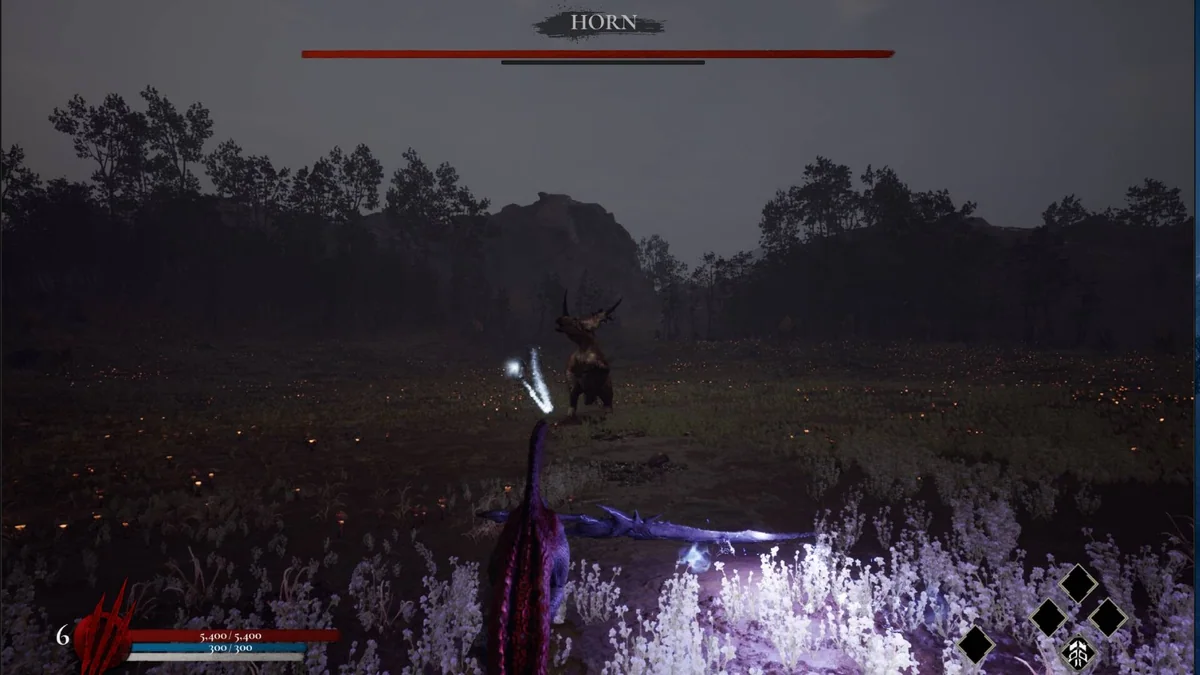
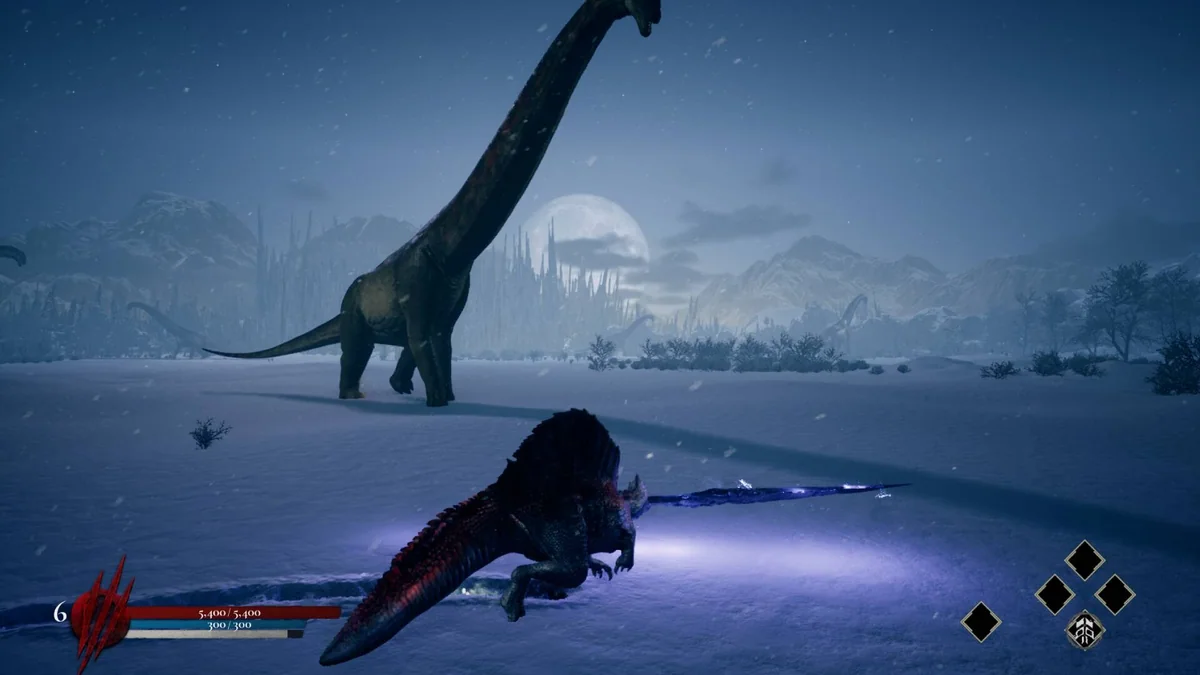
Unlock the mode, then verify the current rules
Complete the main route and defeat the final boss. When Boss Rush becomes available, inspect the mode’s own interface before committing to a strategy. Confirm how it handles equipment, skills, abilities, healing, death, checkpoints, and rewards in your current build. Those details can change independently of the store description and should be learned from the live mode rather than assumed from another action RPG.
The July 25 official patch note mentions a boss balance pass and an ending quick-time-event bug fix. The preceding July 24 note fixed progression problems involving Akai and Kasei the Tyrant. This active launch history is a reason to check the announcement feed whenever unlock progression or an encounter behaves unexpectedly.
Make a baseline run whose purpose is observation. Record the presented sequence, what state appears to persist between fights, and which preparation choices the mode allows. A failed baseline is still valuable if it replaces assumptions with current rules.
Build one concise ledger entry per Alpha
Each entry should fit on a few lines: opening distance, two high-risk attacks, the cue for each, the safest defensive answer, the shortest confirmed punish, a healing window, and the arena position you want after the exchange. Do not transcribe an entire video. The ledger exists to restore your decision state quickly when the next run reaches that encounter.
Describe visible cues rather than assumed internal timing. “Weapon stops above the shoulder, then drops” is more portable than an unsupported frame number. Include camera notes when a large body, wall, vegetation, or elevation can hide the follow-up. Mark whether target lock helps or harms that particular view.
After every loss, change only the line that failed. If the opening was safe but the second sequence caused damage, preserve the opening and study the second sequence. This keeps the ledger stable and prevents one mistake from triggering a total strategy rewrite.
Manage recovery before chasing speed
A rush format invites aggressive play, but early speed has little value if it consumes the resources or concentration needed later. Use the shortest punish you trust. Heal only in a window you can name. End exchanges toward arena center when possible so the next attack begins with a visible escape route.
Treat mental errors as a resource problem too. After an unusually clean victory, reset before the next encounter instead of carrying the prior rhythm forward. Different Alphas may delay, extend, or redirect attacks in ways that punish an automatic response learned moments earlier. Read the first exchange as if beginning a new session.
If the mode preserves build choices, favor options you can execute repeatedly under fatigue. A theoretically stronger weapon or ability is not automatically better if its recovery, camera movement, or input demand makes later fights inconsistent. Test changes over several encounters rather than one favorable matchup.
Classify failures instead of calling them random
Use four categories: recognition, choice, execution, and position. Recognition means the attack was not identified. Choice means you saw it but selected an unsuitable defense. Execution means the plan was sound but the timing or input failed. Position means the camera, wall, distance, or exit route made the planned answer unreliable.
The category determines the next drill. Recognition calls for observation outside range. Choice calls for comparing block, movement, roll, and parry. Execution calls for repetition against the same cue. Position calls for an earlier reset toward a clearer part of the arena. Without classification, repeated attempts often practice the wrong problem.
When a familiar cue suddenly stops matching, check current patch notes before assuming personal inconsistency. Balance changes can alter the space or timing available even when the animation still looks recognizable. Keep the last successful ledger entry beside the revised one so the changed observation is explicit and can be retested without discarding everything that still works.
Define a repeatable run before a fast run
A repeatable run has a known opening for every encounter, a conservative answer to each dangerous attack, a verified healing plan, and a reset rule after mistakes. Only after that structure survives multiple attempts should you lengthen punishes or substitute parries for safer defenses.
Measure progress by fewer unexplained hits, cleaner arena position, and consistent resource use. Time is useful only after the run stops depending on luck. If a faster choice creates an error you cannot diagnose, return to the last reliable version and add the change again in isolation.
Keep your ledger tied to the patch date. Boss Rush is an endgame test, but the official launch cadence shows that the target can move. A short, current set of cues will outperform an elaborate document built around an obsolete balance state.
- Defeat the final boss to unlock the mode.
- Verify live-mode rules before planning.
- Keep one short ledger entry per encounter.
- Optimize consistency before time.
Primary sourceOfficial Steam game description and patch notes ↗